Digital Systems - Testing And Testable Design Solution !!install!!
Digital systems testing has evolved from a post-hoc verification chore into a primary design driver. The sheer density of modern chips has made exhaustive testing impossible, forcing a transition from "testing the system" to "designing the system to be testable." Solutions like scan chains, BIST, and boundary scan have become the universal grammar of reliable digital design.
Without a robust testing strategy, the cost of failure grows exponentially: Cents to test. Packaged chip: Dollars to test. System level: Hundreds of dollars. In the field: Thousands of dollars (plus brand damage). Fundamental Testing Solutions 1. Built-In Self-Test (BIST) digital systems testing and testable design solution
This is perhaps the most vital DFT technique. By replacing standard flip-flops with "Scan Flip-Flops," designers can link memory elements into a long shift register (a scan chain). During test mode, internal states can be "shifted in" to set the system to a specific state and "shifted out" to observe the results. This effectively transforms complex sequential logic into simpler combinational logic for testing purposes. Digital systems testing has evolved from a post-hoc
Digital systems testing is no longer an afterthought; it is a fundamental pillar of the silicon lifecycle. By integrating , BIST , and JTAG during the design phase, engineers can ensure that the final product is not only functional but also manufacturable and reliable. As we move toward 3nm processes and AI-driven hardware, testable design solutions will continue to evolve, focusing on even higher automation and "in-field" self-repair capabilities. Packaged chip: Dollars to test
Standardized as IEEE 1149.1, this allows you to test the interconnections between chips on a board without using physical probes, which is essential for modern surface-mount technology where pins are hidden. Why This Matters for Design
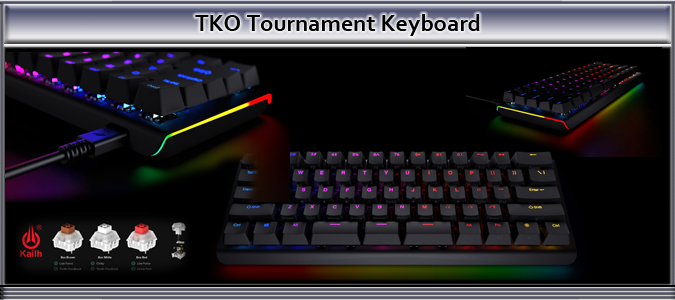
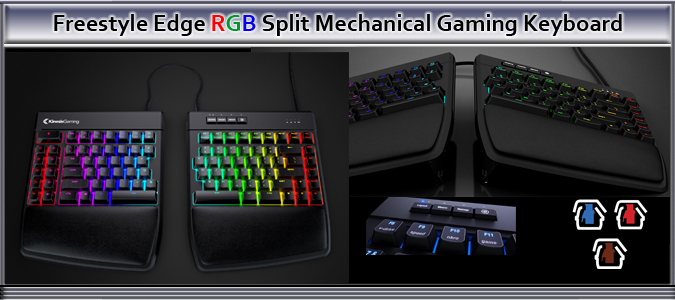
The Freestyle Edge RGB Split Mechanical Gaming Keyboard from Kinesis Gaming is the nextgen version of the Freestyle Edge Gaming Keyboard. Now featuring brilliant fully addressable RGB backlighting, this keyboard combines the advanced features and customization options that high performance gamers demand with the proven ergonomic benefits of a split keyboard. Users can select one of the pre-programmed lighting modes or can customize each layout and layer to meet their own needs, right down to individual keys. Performance features include 9 Dual Layer Layouts, Macro Recording and High-speed Playback, One-Touch Key Rebinding, NKRO Mode, 100% Anti-Ghosting along with many others. The Freestyle Edge RGB is available equipped with RED, BLUE, BROWN, or SILVER Cherry MX mechanical Switches to meet the specific needs or preferences of each user. Programming can be done direct to the keyboard or through the SmartSet APP (available for both Windows and Mac). The ergonomics of the Freestyle Edge are based on years of proven design and finally provide gamers with an ideal combination of Performance and Ergonomics. The ergonomic features of the Freestyle Edge RGB Split Mechanical Gaming Keyboard can potentially improve performance while still reducing the risks associated with heavy keyboard use.