Show Focus Points
2019 update released! Check out download page for details
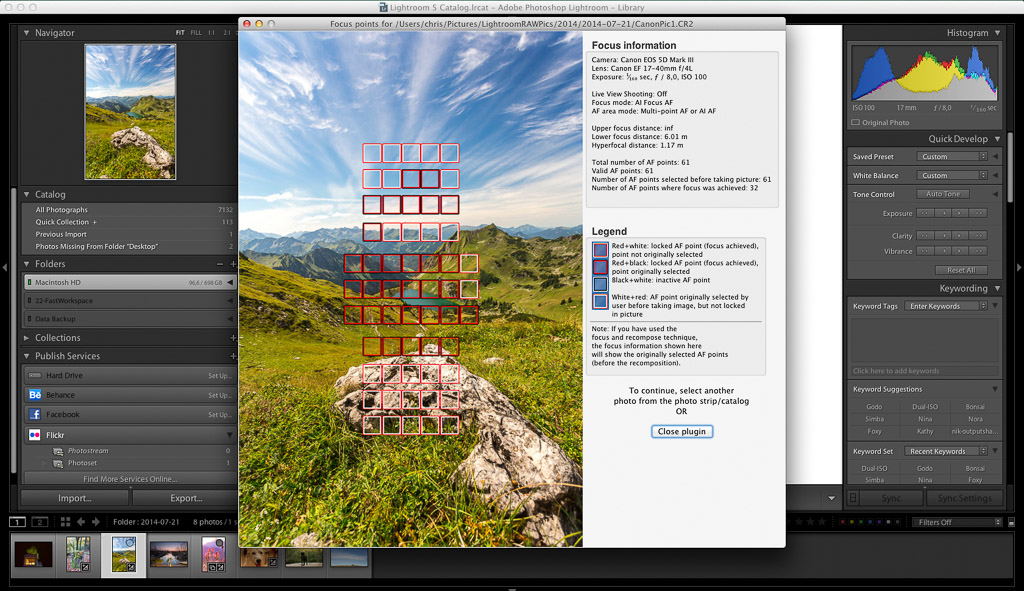
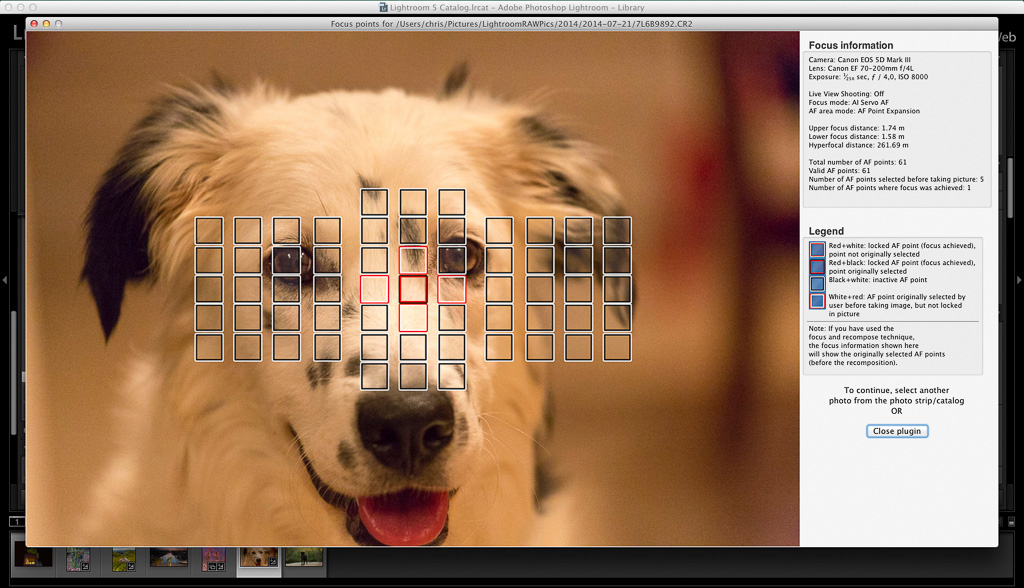
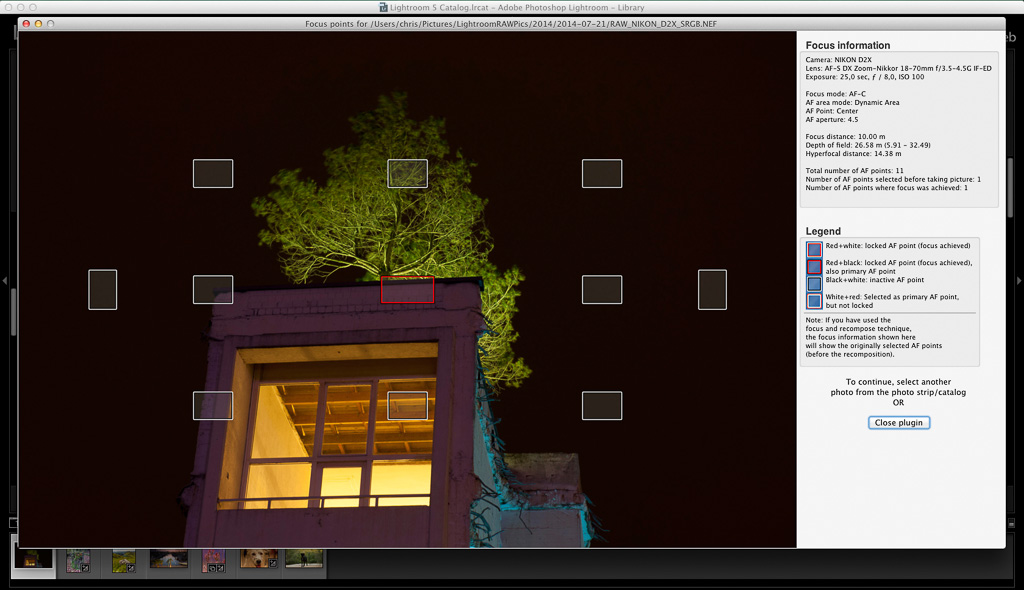
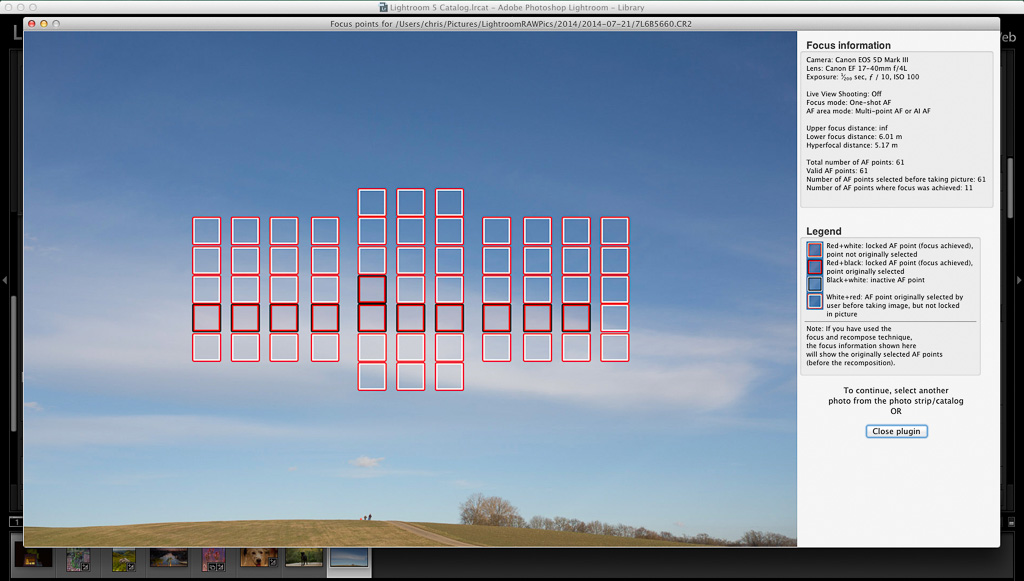
Show Focus Points is a plugin for Adobe Lightroom. It shows you which focus points were selected by your camera when the photo was taken.

Show Focus Points
2019 update released! Check out download page for details
Show Focus Points is a plugin for Adobe Lightroom. It shows you which focus points were selected by your camera when the photo was taken.
Show Focus Points is a plugin for Adobe Lightroom which shows you which of your camera's focus points were used when you took a picture.
Below find some screenshots of the plugin in action.
Click on the images to enlarge them.


Download Mac-only version (6.6 MB)
Download Windows-only version (14 MB)
Download version containing both Mac+Windows versions (20 MB)
The biblical story of Jacob, Rachel, and Leah, and their sons Joseph and his brothers, provides an archetype: the favored child, the coat of many colors, and the resulting envy that leads to faked death and slavery. Modern dramas continue this thread. In Jonathan Franzen’s novel The Corrections , the Lambert parents’ subtle, lifelong preferences shape the neuroses and failures of their three adult children, from the anxious caretaker to the delusional entrepreneur. Sibling rivalry in these stories is rarely simple jealousy; it is a fight for parental recognition, a scramble for a stable sense of self in a hierarchy that feels predetermined.
Adult comics, also known as adult graphic novels or manga, are designed for a mature audience. They often feature complex stories, detailed artwork, and themes that may not be suitable for younger readers. These can include, but are not limited to, graphic violence, strong language, and mature relationships. FAMILY ADVENTURES - 1-5 incest An Adult Comic b...
Family members are the most dangerous enemies because they know where the bodies are buried. A great drama weaponizes shared history. A character might say, "Remember the summer of ’94?" That simple phrase loads the scene with backstory, pain, and inside jokes that the audience must infer. The biblical story of Jacob, Rachel, and Leah,
An Oklahoma family gathers after the patriarch disappears (suicide), and the matriarch, a drug-addicted monster, picks them apart over a single, sweltering night. Why It Works: It weaponizes the dinner table. The play understands that families keep "file drawers" of secrets. The climax isn't a fight; it is an evisceration. The truth doesn't set anyone free; it ruins everyone. Sibling rivalry in these stories is rarely simple
From the ancient tragedies of Sophocles to the streaming-era binge of Succession , family drama remains the most enduring and universally compelling genre in storytelling. Whether on the page, stage, or screen, narratives centered on family conflict resonate because they hold up a mirror to our most fundamental human experience. The family unit, ideally a source of unconditional love and support, is also a crucible of rivalry, betrayal, and deeply embedded dysfunction. Complex family relationships work as powerful narrative engines because they explore the tension between expectation and reality, obligation and freedom, love and resentment—tensions that define the human condition.
You can write an ending where the siblings decide to sell the house and never speak to each other again, and that can be a happy ending—because it is honest. You can write an ending where the mother and daughter sit in silence on a park bench, not talking about the abortion, but holding hands. That small gesture is more powerful than three pages of apology.
The final challenge for any family drama writer is the ending. Audiences crave catharsis—the tearful hug, the apology that finally comes. But realism tells us that most families don't change. A narcissist rarely apologizes. A grudge rarely dies.
The biblical story of Jacob, Rachel, and Leah, and their sons Joseph and his brothers, provides an archetype: the favored child, the coat of many colors, and the resulting envy that leads to faked death and slavery. Modern dramas continue this thread. In Jonathan Franzen’s novel The Corrections , the Lambert parents’ subtle, lifelong preferences shape the neuroses and failures of their three adult children, from the anxious caretaker to the delusional entrepreneur. Sibling rivalry in these stories is rarely simple jealousy; it is a fight for parental recognition, a scramble for a stable sense of self in a hierarchy that feels predetermined.
Adult comics, also known as adult graphic novels or manga, are designed for a mature audience. They often feature complex stories, detailed artwork, and themes that may not be suitable for younger readers. These can include, but are not limited to, graphic violence, strong language, and mature relationships.
Family members are the most dangerous enemies because they know where the bodies are buried. A great drama weaponizes shared history. A character might say, "Remember the summer of ’94?" That simple phrase loads the scene with backstory, pain, and inside jokes that the audience must infer.
An Oklahoma family gathers after the patriarch disappears (suicide), and the matriarch, a drug-addicted monster, picks them apart over a single, sweltering night. Why It Works: It weaponizes the dinner table. The play understands that families keep "file drawers" of secrets. The climax isn't a fight; it is an evisceration. The truth doesn't set anyone free; it ruins everyone.
From the ancient tragedies of Sophocles to the streaming-era binge of Succession , family drama remains the most enduring and universally compelling genre in storytelling. Whether on the page, stage, or screen, narratives centered on family conflict resonate because they hold up a mirror to our most fundamental human experience. The family unit, ideally a source of unconditional love and support, is also a crucible of rivalry, betrayal, and deeply embedded dysfunction. Complex family relationships work as powerful narrative engines because they explore the tension between expectation and reality, obligation and freedom, love and resentment—tensions that define the human condition.
You can write an ending where the siblings decide to sell the house and never speak to each other again, and that can be a happy ending—because it is honest. You can write an ending where the mother and daughter sit in silence on a park bench, not talking about the abortion, but holding hands. That small gesture is more powerful than three pages of apology.
The final challenge for any family drama writer is the ending. Audiences crave catharsis—the tearful hug, the apology that finally comes. But realism tells us that most families don't change. A narcissist rarely apologizes. A grudge rarely dies.